Why Company Branding and Logo Design Is the Foundation of Every Successful Business
Company branding and logo design are how your business shows up in the world — and how customers decide whether to trust you.
Here's a quick breakdown of what you need to know:
| Element | What It Is | Why It Matters |
|---|---|---|
| Brand Identity | The full picture — visuals, voice, values, and customer experience | Shapes how people feel about your business |
| Logo | A single visual mark representing your brand | Creates instant recognition |
| Brand Strategy | The plan behind your identity | Guides every decision, from design to messaging |
| Marketing | How you promote your brand | Builds on your brand — it doesn't replace it |
The numbers back this up. In 2022, Apple's brand was valued at an estimated $947 billion. And with the average American exposed to more than 5,000 brands every day, standing out isn't optional — it's survival.
A weak brand costs real money. When Tropicana changed its logo in 2009, sales dropped 20% in under two months. They reversed the change almost immediately.
Your logo and brand identity aren't just aesthetics. They're business assets.
I'm Alexander Palmiere, Founder and CEO of Refresh Digital Strategy, and I've helped build and launch over 200 websites with a core focus on company branding and logo design for growth-stage businesses. In this guide, I'll walk you through exactly how to build a brand identity that actually works.
The Foundation of Company Branding and Logo Design

Building a brand is a bit like building a house. You wouldn't just start nailing boards together and hope for the best; you need a blueprint. In business, that blueprint is your brand strategy.
Many people mistake branding for just a logo, but a logo is actually the "shorthand" for the brand. The brand itself is an ephemeral quantity that exists in your customers' minds based on every experience they have with you. While we can’t fully control a brand—since the customers ultimately decide what it means to them—we can certainly influence it through intentional company branding and logo design.
Brand Strategy: The North Star
A comprehensive brand strategy usually involves ten critical components, including your purpose, positioning, and reputation management. It’s the "why" behind your business. Research shows that 82% of consumers make purchase decisions with purpose in mind, yet many brands struggle to actually put that purpose into practice.
Target Audience and Research
Before you pick a single color or font, you must define your target audience. A logo for a high-end law firm in Cleveland shouldn't look like a logo for a trendy surf shop in Charlotte. You need to understand the demographics (age, location, income) and psychographics (values, interests, pain points) of your ideal customer.
We also recommend conducting thorough competitor research. Look at the symbols, colors, and styles your competitors are using. Your goal isn't to copy them; it's to find the "white space" where you can stand out. For a deeper dive into how to position your local business, check out our local business branding complete guide.
Defining Your Brand Personality
If your company were a person, what would they be like? Are they the sophisticated expert who knows everything about Webflow? Or are they the friendly neighbor who helps you fix your sink? This is your brand personality.
- Voice and Tone: Your voice is your brand's consistent personality (e.g., professional, witty, or authoritative). Your tone is the emotional inflection you use depending on the situation (e.g., empathetic in a customer support email, energetic on social media).
- Brand Story: Every business has an origin story. Maybe you started in a garage in Pittsburgh because you saw a gap in the market, or maybe you're a third-generation family business. Sharing this story builds an emotional connection. We’ve written extensively on Crafting Compelling About Us Pages: Telling Your Brand Story Online to help you get this right.
Why Company Branding and Logo Design Matters for SMBs
For small to medium-sized businesses (SMBs), branding isn't a luxury reserved for the Fortune 500; it's a necessity for survival.
- Credibility: A professional visual identity signals that you are a legitimate, established business. It builds trust before a conversation even begins.
- Recognition: In a sea of 5,000 daily brand exposures, a distinct logo helps customers remember you.
- Market Differentiation: Good branding highlights your "only-ness"—the thing that only you provide. Without it, you’re just a commodity competing on price.
If you're feeling overwhelmed, partnering with a small business branding agency can help you navigate these waters and ensure your foundation is rock solid.
Anatomy of a Memorable Logo
A great logo isn't just a "pretty picture." As the legendary designer Paul Rand once said, a logo derives its meaning from the quality of the thing it symbolizes, not the other way around. However, there are fundamental principles that make a logo effective.
The Four Pillars of Logo Design
According to Paul Rand's principles of effective design, a logo must be:
- Simple: Simple logos are easier to recognize and remember. Think of the Nike swoosh or the Apple icon. They are stripped of unnecessary detail.
- Scalable: Your logo needs to look just as good on a tiny favicon in a browser tab as it does on a billboard in downtown Charlotte. This is why we always design in vector formats.
- Memorable: It should be unique enough to stick in the mind. Sometimes, a "hidden" element (like the arrow in the FedEx logo) can create that "aha!" moment that builds recall.
- Timeless: Avoid design trends like the plague. If you follow a "fad," your logo will look dated in two years. Aim for a design that will still feel relevant twenty years from now.
The Psychology of Shapes and Colors
Our brains process shapes and colors before they even read words. This is why the visual choices in your company branding and logo design are so impactful.
Color TheoryColors evoke specific psychological responses. For example, red is often associated with passion and action, while blue evokes trust and stability.
| Color | Emotional Response | Common Industries |
|---|---|---|
| Red | Excitement, Energy, Urgency | Food, Tech, Automotive |
| Blue | Trust, Security, Professionalism | Finance, Healthcare, Tech |
| Yellow | Optimism, Clarity, Warmth | Logistics, Creative, Retail |
| Green | Growth, Health, Sustainability | Finance, Real Estate, Wellness |
| Black | Luxury, Sophistication, Power | Fashion, High-end Tech |
TypographyThe fonts you choose also speak volumes.
- Serif fonts (with the little "feet") feel traditional, reliable, and established.
- Sans-serif fonts feel modern, clean, and efficient.
- Script fonts can feel elegant or personal but must be used carefully to ensure legibility.
Choosing the Right Layout for Your Company Branding and Logo Design
There is no "perfect" layout, but there is a "right" layout for your specific needs. Most brands actually need a "logo system" rather than just one file.
- Vertical (Stacked): Great for square spaces like social media profile pictures.
- Horizontal: Ideal for website headers and email signatures where vertical space is limited.
- Logotype: Focuses entirely on styled typography (like Google or Coca-Cola). This is great if your brand name is distinctive.
- Lettermarks (Monograms): Uses initials (like IBM or HBO). This is a smart choice if your business name is long or hard to pronounce.
Working with a professional branding and logo design agency ensures you get a full suite of these variations so your brand looks perfect everywhere.
Executing Your Brand Strategy Across Touchpoints
Once your logo is finalized, the real work begins: bringing the brand to life across every touchpoint. This is where many businesses fail by being inconsistent.
Brand Guidelines: The Playbook
To maintain consistency, you need a Brand Style Guide (or Brand Playbook). This document outlines exactly how to use your logo, which colors are allowed (using HEX, RGB, and CMYK codes), which fonts to use, and even the style of photography that fits your brand. This ensures that whether a customer sees your van in Cleveland or your Instagram ad, it all feels like the same company.
Webflow Development and Brand Integration
At Refresh, we believe your website is your most important brand asset. We specialize in Webflow because it allows for complete design freedom without the constraints of rigid templates. This means your company branding and logo design can be perfectly translated into a digital experience that is fast, responsive, and secure. If your current site doesn't reflect your brand, it might be time to talk to a website-rebranding-agency.
Generative Engine Optimization (GEO)
In the modern digital landscape, we also have to consider how AI and generative search engines perceive your brand. This is what we call Generative Engine Optimization (GEO). By maintaining a consistent brand voice and clear messaging across the web, you help AI models understand who you are and what you do, making it more likely that your brand is recommended in AI-generated search results.
Maintaining Consistency in a Digital World
In a world when everything looks the same familiar brands still stand out. Consistency isn't about being boring; it's about being recognizable.
- User Experience (UX): Your brand isn't just how things look; it's how they work. If your brand personality is "simple and easy," but your website is a maze of confusing buttons, you have a brand disconnect.
- Social Media: Your profile pictures, cover photos, and post styles should all align with your style guide.
- Physical Touchpoints: If you have a brick-and-mortar location in Pittsburgh, PA or Charlotte, NC, your signage, uniforms, and even your invoices should match your digital presence.
Frequently Asked Questions about Branding
What is the difference between branding and marketing?
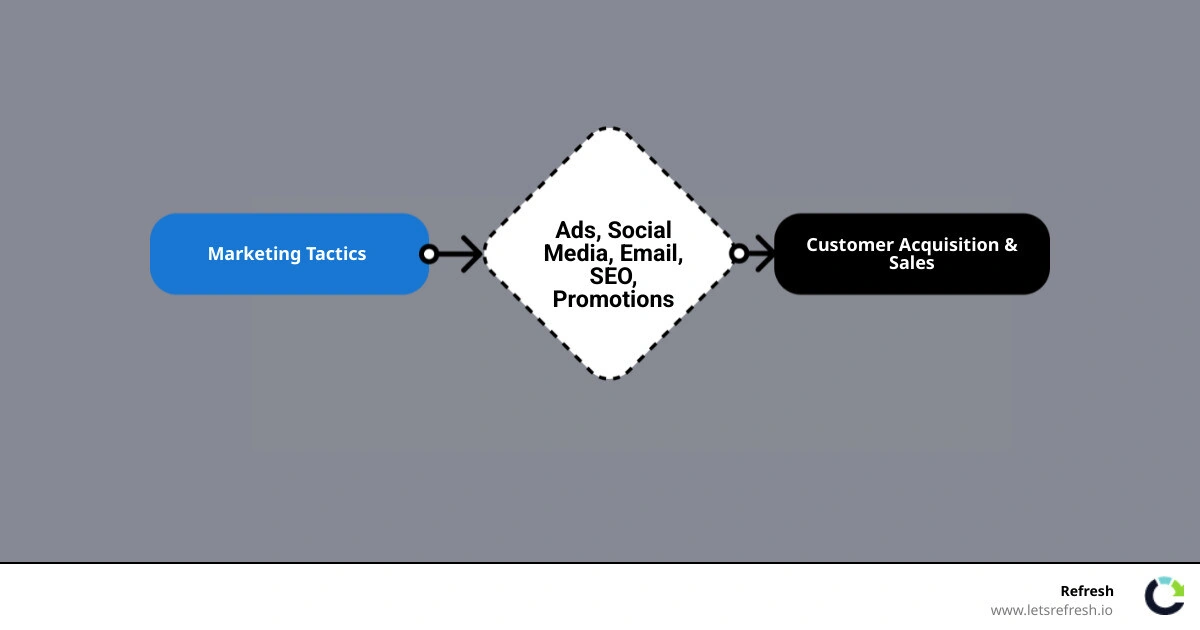
Think of branding as the "who" and marketing as the "how." Branding is the process of defining your identity, values, and personality. Marketing is the set of tools and tactics (like SEO, ads, and social media) you use to communicate that brand to the world. You need a strong brand before you start marketing, otherwise, you're just paying to send people to a confusing experience.
How do I know if my logo is scalable?
A simple test is to shrink your logo down to about 1 inch (or 100 pixels). Can you still read the text? Is the icon still recognizable? If it turns into an unrecognizable blob, it's not scalable. This is why we avoid intricate illustrations and thin lines in primary logos.
Why should I avoid design trends?
Trends (like "gradient everything" or "ultra-minimalist sans-serifs") come and go. If you build your brand on a trend, you'll look like a leader for six months and outdated for the next six years. A timeless logo focuses on core design principles that haven't changed in decades.
Conclusion
Building a brand identity that doesn't suck takes effort, strategy, and a bit of soul-searching. It’s about more than just a pretty logo; it’s about creating a consistent, trustworthy presence that resonates with your audience in Pittsburgh, Cleveland, Charlotte, and beyond.
At Refresh, we are Webflow experts who specialize in helping small to medium-sized businesses find their voice and visual identity. We don't just hand over a logo and disappear; we believe in long-term partnerships that help your business grow through smart company branding and logo design, high-performance websites, and strategic digital marketing.
Ready to stop blending in and start standing out? Build your brand with Refresh.


.avif)