

Why Choosing the Right Web Hosting Can Make or Break Your Small Business
Which web hosting is best for small businesses? Here's the quick answer:
- Just Starting Out: Shared hosting - affordable, beginner-friendly, $2-10/month
- Growing Fast: VPS or Cloud hosting - more power and control, $20-50/month
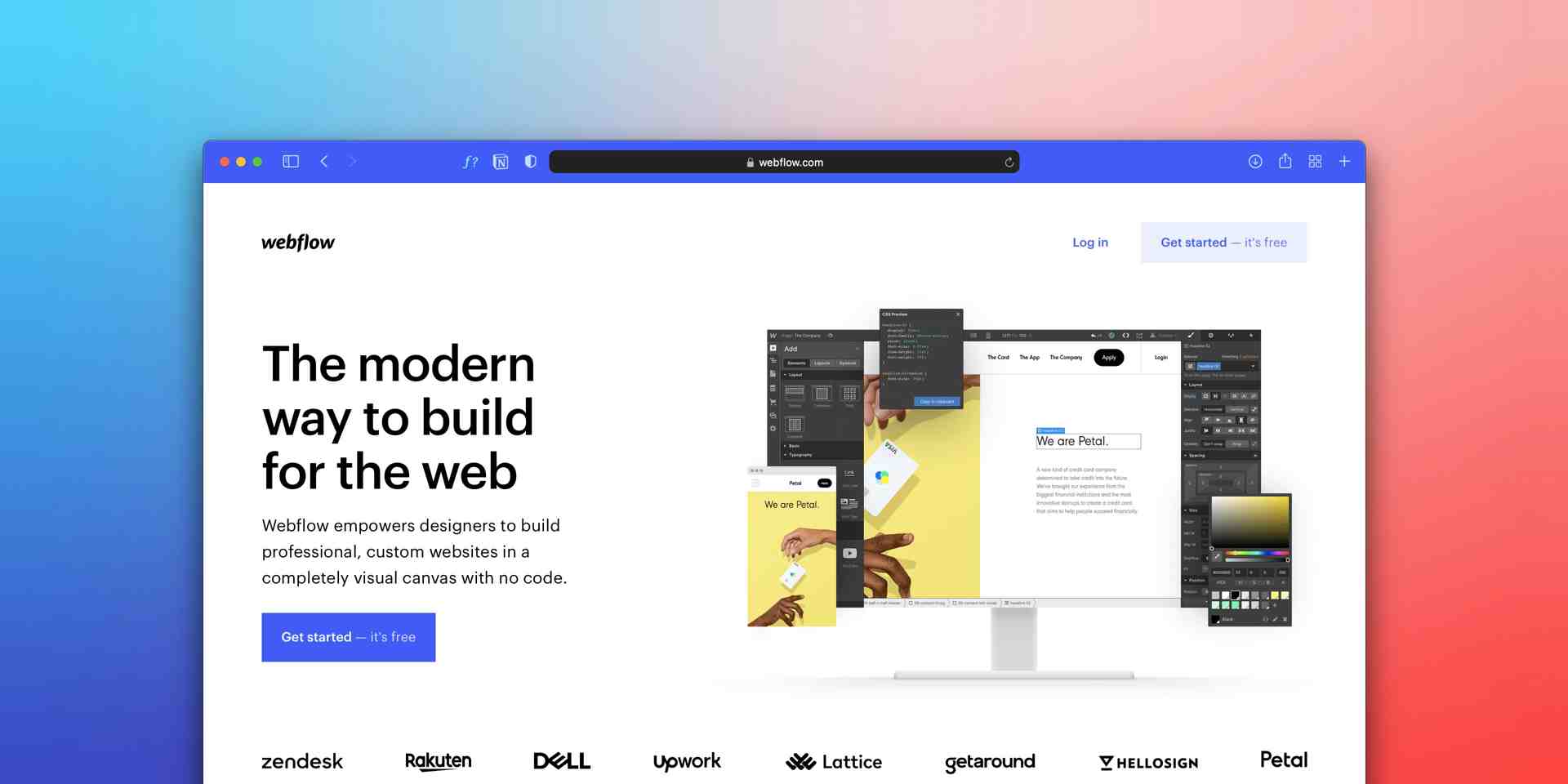
- Want It Managed: Managed hosting (like Webflow) - they handle the technical stuff, $10-30/month
- E-commerce Focused: Specialized hosting optimized for online stores
Your website is your digital storefront. It's where customers find you, learn about you, and decide whether to trust you with their business.
But here's the thing: none of that matters if your website is slow, goes down frequently, or gets hacked.
That's where web hosting comes in. Think of it like renting space for your store. You need a reliable landlord who keeps the lights on, the doors secure, and everything running smoothly.
The web hosting market is crowded. There are hundreds of providers, each promising to be the best. Some cost less than a coffee per month. Others charge hundreds. Some are perfect for beginners. Others require technical expertise.
So how do you know which one is right for your business?
The truth is, there's no single "best" host for everyone. A solopreneur launching their first site needs something very different from a growing e-commerce business handling thousands of daily visitors.
What matters is finding the host that fits your specific needs, budget, and technical comfort level. One that can grow with you. One that won't leave you stranded when something goes wrong.
I'm Alexander Palmiere, founder of Refresh Digital Strategy, and over the past decade I've helped launch over 200 websites for small to midsized businesses, which means I've seen what makes which web hosting is best for small businesses in real-world scenarios. In this guide, I'll break down everything you need to know to make the right choice for your business.
Basic which web hosting is best for small businesses glossary:
Decoding the Different Types of Web Hosting
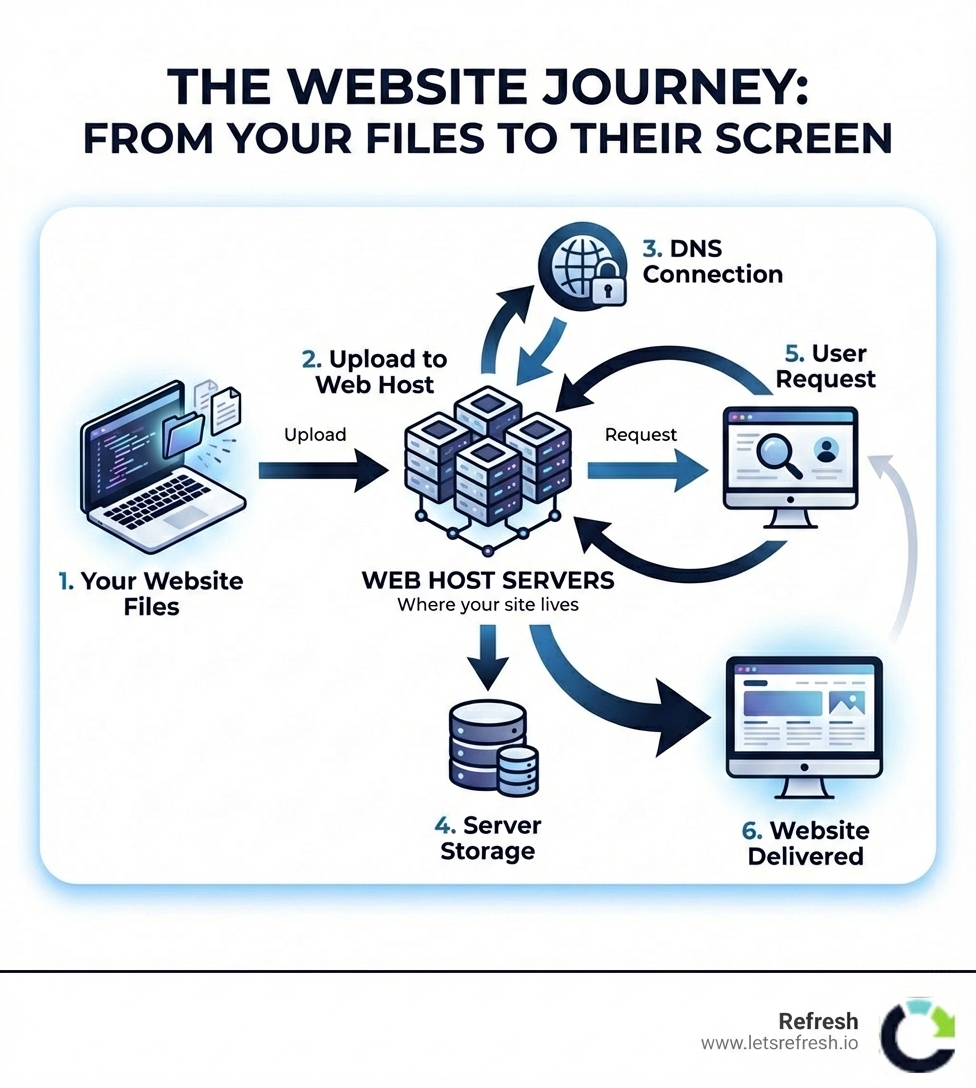
Before we dive into specific providers, let's understand the landscape. Web hosting is the service that makes your website available on the internet. Essentially, it provides a secure online space to store all your website's files—the code, images, text, and other content that make up your digital presence. Without it, your beautiful website is just a collection of files on your computer, inaccessible to the world.
For small businesses in Pittsburgh, Cleveland, and Charlotte, choosing the right type of hosting is foundational. It impacts everything from your website's speed and reliability to its security and your monthly budget. We’ll look at the most common types: shared, VPS, cloud, and managed hosting. Each has its own sweet spot, depending on your business size, traffic, and technical comfort.
| Hosting Type | Cost (per month) | Performance | Technical Skill Required | Scalability |
|---|---|---|---|---|
| Shared Hosting | $2 - $10 | Basic, can be impacted by other sites | Low | Limited, best for small, static sites |
| VPS Hosting | $20 - $50 | Good, dedicated resources within a shared server | Moderate | Moderate, can upgrade resources easily |
| Cloud Hosting | $20 - $60+ | Excellent, distributed resources, high uptime | Low to Moderate | High, pay-as-you-go for resources |
| Managed Hosting | $10 - $100+ (base) | Optimized, provider handles maintenance | Low | High, provider assists with resource upgrades |
Shared Hosting: The Budget-Friendly Starter Pack
Shared hosting is often the first step for many small businesses getting online, and for good reason: it's the most affordable hosting solution available. If you're just starting out, perhaps with a blog or a simple informational site for your business in Cleveland, it's an excellent choice.
With shared hosting, your website "shares" server resources with many other websites. Think of it like living in an apartment building – you have your own space, but you share the building's infrastructure (like electricity and plumbing) with your neighbors. This keeps costs low, typically ranging from $2 to $10 per month.
The trade-off? While budget-friendly, performance can sometimes be impacted by what your "neighbors" are doing. If another website on the same server experiences a traffic surge, your site might slow down. However, for many small businesses, especially those without high traffic demands, the affordability and ease of use outweigh these potential limitations. Many providers also include a free domain for the first year with annual plans, sweetening the deal.
For more insights into budget-friendly options, check out our Good Web Hosting for Small Business guide.
VPS Hosting: Power and Flexibility
When your business in Pittsburgh starts to grow, and your website traffic increases, shared hosting might begin to feel a bit cramped. That's where VPS (Virtual Private Server) hosting steps in. It's the next logical step up, offering a significant boost in power and flexibility without the high cost of a dedicated server.
With VPS hosting, a physical server is divided into several virtual machines. Each website gets its own dedicated slice of server resources—like CPU, RAM, and storage—even though it's still technically on a shared physical machine. This is like moving from an apartment in a building to owning a condo; you still share the building, but you have far more control and guaranteed resources for your unit.
VPS plans are more geared toward tech-savvy users who need more power and control, often priced around $20 to $50 per month. They provide better performance, increased privacy, and the ability to customize your server environment. This makes them perfect for growing websites with higher traffic, e-commerce stores, or businesses that need specific software configurations. If you're ready for a more self-managed solution, VPS can be a fantastic option. We help our clients explore these robust options when their digital presence demands more horsepower.
Cloud and Managed Hosting: The Future of Reliability and Ease
Now, let's talk about the big guns: cloud hosting and managed hosting. These options represent the pinnacle of reliability, scalability, and convenience, especially for small businesses in Charlotte or beyond that are serious about their online presence.
Cloud hosting operates on a network of interconnected virtual servers, rather than a single physical one. If one server goes down, another seamlessly takes over, drastically reducing potential downtime and hardware failure. This "super scalable" model means your site can grow as much as you need, and you typically only pay for the resources you use. It's ideal if you need stable website uptime and performance, particularly for agencies managing multiple client sites, like us!
Managed hosting, on the other hand, is less about where your site lives and more about who takes care of it. Whether it's shared, VPS, or cloud, a managed hosting service means the provider handles all the technical heavy lifting: server maintenance, security updates, backups, and performance optimization. This frees up your time and energy, allowing you to focus on your core business operations, not server headaches.
At Refresh, we often recommend managed hosting solutions, especially those built on platforms like Webflow. Webflow Hosting is a prime example of managed hosting, offering exceptional performance, security, and ease of use, all handled by experts. It's one of the reasons we firmly believe Webflow vs WordPress: Why Webflow is the Better Choice for Your Business for many of our clients.
The reality is, it's increasingly difficult to avoid having a strong digital footprint. Opting for a Managed Web Hosting Service ensures your online store or service site is always running smoothly, securely, and ready for your customers.
Must-Have Features for Small Business Web Hosting
Choosing the right web host isn't just about picking a name off a list; it's about finding a partner that provides the essential tools and infrastructure your business needs to thrive online. For our clients in Pittsburgh, Cleveland, and Charlotte, we always emphasize a few non-negotiable features.
Performance is a baseline—after all, a slow or inaccessible website is effectively no website at all! But beyond that, you'll want to consider security, ease of use, and competitive pricing.
Performance and Uptime: The Foundation of Your Online Presence
Imagine a customer trying to visit your physical store, only to find the doors locked or the lights off. That's what a website with poor uptime or slow performance feels like. For a small business, every second counts. Fast load times keep customers on your site and significantly boost your Google rankings.
We're talking about near-instant page loads. This is often achieved through technologies like NVMe SSD storage, which offers quick data access and better speed than traditional hard drives. Additionally, a Content Delivery Network (CDN) is crucial. CDNs store copies of your website's content on servers around the globe, delivering it faster to visitors no matter where they are. This means a customer in Charlotte gets the same speedy experience as one in California.
Equally vital is uptime. Uptime means your site stays online, ready for visitors 24/7. We always aim for hosts with near-perfect uptime—99.9% or higher—so you never miss a sale or a potential lead due to a crash. Some providers even boast 99.9999% uptime, which is a mind-boggling level of reliability! The goal is simple: your website should always be open for business.
For a deeper dive into making your website lightning-fast, check out our Fast Website Hosting Complete Guide.
Security: Protecting Your Business and Your Customers
In today's digital landscape, website security isn't just a nice-to-have; it's a must-have. A security breach can devastate a small business, leading to lost customer trust, damaged reputation, and significant financial costs. Protecting your customers' data and your own business assets is paramount.

When evaluating web hosting for our clients, we look for providers that offer a robust suite of security features:
- SSL Certificates: These encrypt data exchanged between your site and visitors, keeping sensitive information (like contact forms or payment details) safe. Most reputable hosts include free SSL certificates, at least for the first year.
- Firewalls: Think of a firewall as your digital bouncer, blocking malicious traffic and unauthorized access attempts before they can reach your site.
- DDoS Protection: Distributed Denial of Service (DDoS) attacks try to overwhelm your site with a flood of traffic, taking it offline. DDoS protection prevents these attacks, keeping your site accessible.
- Malware Scanning: Regular scanning helps detect and remove malicious software that could harm your site or steal data.
- Automatic Backups: Losing all your website data due to an error or attack is a nightmare. Automatic, regular backups ensure you can quickly restore your site to a previous state, minimizing downtime and data loss.
- Two-Factor Authentication (2FA): This adds an extra layer of protection to your hosting account, requiring a second form of verification (like a code from your phone) in addition to your password.
At Refresh, our comprehensive hosting solutions for businesses in Pittsburgh, Cleveland, and Charlotte integrate these essential security measures, giving you peace of mind.
Support, Scalability, and Ease of Use
Beyond raw performance and Fort Knox-level security, the practicality of managing your hosting matters. This is where excellent customer support, effortless scalability, and a user-friendly interface become invaluable.
- Customer Support: When something goes wrong (and let's be honest, in the digital world, things can go wrong), you need help, fast. That's why 24/7 customer support, available via phone, chat, or email, is a lifesaver. Whether you're a seasoned techie or new to website management, responsive support can be the difference between a minor hiccup and a major crisis.
- Scalability: Your small business isn't static; it's growing! Your web host should be able to grow with you, seamlessly handling more visitors, more content, and more complex functionalities without costly upgrades or migrations. Cloud hosting, in particular, is designed for this, allowing you to easily scale resources up or down as needed.
- Ease of Use: Not everyone wants to be a server administrator, and frankly, you shouldn't have to be. User-friendly control panels (like cPanel, hPanel, or custom dashboards) and one-click installers for popular applications like WordPress make managing your site much simpler. This is an area where platforms like Webflow truly shine, offering an intuitive visual interface that integrates hosting and design. This is why we often advocate for Webflow vs WordPress: Why Webflow is the Better Choice for Your Business, especially when ease of use and seamless management are top priorities for our clients.
Your Step-by-Step Guide to Choosing Which Web Hosting is Best for Small Businesses
Making the right hosting decision can feel daunting, but we're here to simplify it. Here's our step-by-step approach to help our small business clients in Pittsburgh, Cleveland, and Charlotte find their perfect match.
Step 1: Understanding Your Needs and Budget
Before you even look at providers, take a moment to assess your business's unique requirements. This is the foundation of choosing which web hosting is best for small businesses like yours.
- Traffic Expectations: How many visitors do you anticipate? A new brochure website might only get a few hundred visitors a month, while an e-commerce store could see thousands. Shared hosting is fine for low traffic, but growing sites will need VPS or cloud.
- Technical Skills: How comfortable are you with technical configurations? If you prefer a "set it and forget it" approach, managed hosting or a website builder with integrated hosting (like Webflow) is ideal. If you're tech-savvy, you might appreciate the control of VPS.
- Website Type: Are you building a simple informational site, a blog, a portfolio, or an online store? E-commerce sites, for instance, demand more robust security and performance.
- Average Hosting Costs: Prices vary wildly. While some plans start as low as $2-$3 per month, most small businesses can expect to pay between $3 and $10 per month for shared hosting, or $20 to $50 per month for VPS or cloud hosting. Be wary of "free" hosting options, as they often come with significant limitations, such as ads, poor performance, or lack of support, making them unsuitable for professional businesses.
- Renewal Rates: Always check the renewal price! Many providers offer attractive introductory rates that jump significantly after the first contract term. Factor this into your long-term budget.
For a comprehensive look at managing your budget, explore our Affordable Website Hosting Guide.
Step 2: Which web hosting is best for small businesses just starting out?
If you're launching your very first website or operating on a tight budget, simplicity and affordability are key. For small businesses just getting their feet wet, we often recommend:
- Shared Hosting: As we discussed, this is the most budget-friendly option. Many providers offer excellent value with features like free SSL and a free domain for the first year. It's a great choice for beginners or small sites.
- Website Builders with Integrated Hosting: Platforms like Webflow offer an all-in-one solution. You design your site using their intuitive visual tools, and the hosting is seamlessly integrated. This is particularly appealing if you don't have web development skills, as it removes the complexity of choosing a separate host. We believe Webflow offers the ultimate combination of design flexibility and managed hosting for our clients.
Many introductory plans come with a free domain for one year, typically with the purchase of a 12 or 36-month hosting plan. This helps keep initial costs down. For simple websites, these options provide everything you need to establish your online presence without breaking the bank.
Find more options for getting online quickly with our guide on the Best Place to Host Simple Websites.
Step 3: Which web hosting is best for small businesses expecting growth?
As your business in Pittsburgh, Cleveland, or Charlotte thrives, your website needs will evolve. Increased traffic, more complex functionalities, and a greater reliance on your online presence mean you'll need a hosting solution that can scale. For businesses anticipating significant growth, we look towards:
- VPS Hosting: If you're experiencing higher traffic than shared hosting can comfortably handle, a VPS provides dedicated resources that will keep your site fast and stable. It offers more control and better performance, making it perfect for growing websites that need fast, reliable performance and NVMe SSD storage.
- Cloud Hosting: This is the ultimate in scalability and reliability. Cloud hosting uses multiple virtual servers, ensuring stable uptime and performance even during traffic spikes. You only pay for the resources you use, making it cost-effective for fluctuating demands. Cloud hosting plans are ideal if you need stable website uptime and performance.
- Managed Hosting: Regardless of whether you choose VPS or cloud, opting for a managed solution is a game-changer for growing businesses. Managed hosting handles all the backend technicalities—server maintenance, security updates, backups, and performance optimization. This frees your team to focus on sales, marketing, and customer service. A managed solution specifically optimizes your site for speed and security, taking away the burden of technical management.
The strategic choice of hosting is vital because Why is Web Hosting Important for a Small Business for long-term success. With Refresh, we partner with our clients to ensure their Webflow websites are hosted on platforms that not only meet their current needs but are also ready to scale with their future ambitions.
Frequently Asked Questions about Small Business Hosting
We've covered a lot, but some questions pop up more often than others when our clients are trying to figure out which web hosting is best for small businesses. Let's tackle them head-on.
How much should I expect to pay for small business hosting?
The cost of web hosting for small businesses can vary significantly, depending on the type of hosting and the provider.
- Basic Shared Hosting: You can expect to pay around $2-$10 per month for introductory plans. However, always be mindful of renewal rates, which can jump to $10-$20 per month after the initial promotional period.
- Managed WordPress Hosting: If you need extra speed, security, and automatic updates for your WordPress site, these plans typically run about $10-$20 per month.
- VPS or Cloud Hosting: For more power, control, and scalability, prices are usually in the $20-$50 per month range.
Prices vary wildly across the market, from "free" (with limitations) to nearly $100 a month for more advanced solutions. Most small businesses will find themselves in the $3-$10 per month range for basic needs. Many hosts also include a free domain for the first year and a free SSL certificate, saving you another $10-$15 initially.
What's the difference between a domain name and web hosting?
This is a common point of confusion, but it's actually quite simple. Think of your website as a house:
- Domain Name: This is your house's street address (e.g.,
www.yourbusiness.com). It's how people find your website on the internet. You register a domain name, but it doesn't actually store your website's files. - Web Hosting: This is the land your house sits on, and the house itself. It's the secure online space that stores all your website's files (code, images, text, etc.) and makes them accessible to visitors when they type in your domain name.
You need both a domain name and web hosting for your website to be live online. Many hosting providers offer a free domain for the first year when you purchase a hosting plan, bundling these two essential services. To learn more, read our guide on What is a Domain Name for Beginners and Why It Matters.
Can I switch my web host later?
Yes, absolutely! Switching web hosts is a common practice, especially as your business grows and your needs change. Most reputable providers offer free migration tools or services to help you move your site without losing data.
However, the golden rule of website migration is always to back up your site first for safety. This ensures you have a copy of everything in case any issues arise during the transfer. Many managed hosting solutions, including those we provide for Webflow, make migrations and ongoing management seamless.
If you're considering a website overhaul or moving to a new platform, our team at Refresh specializes in these transitions. We can help you steer the process, ensuring a smooth and stress-free move. Learn more about how we can help with a Website Redesign Agency service.
Conclusion
Choosing which web hosting is best for small businesses is a critical decision that impacts your online presence, customer experience, and ultimately, your bottom line. There's no one-size-fits-all answer, but by understanding your needs, budget, and the different types of hosting available, you can make an informed choice.
Remember these key decision factors:
- Performance & Uptime: Your site needs to be fast and always available.
- Security: Protect your business and your customers with robust measures.
- Scalability: Choose a host that can grow with your business.
- Support & Ease of Use: You need reliable help when you need it, and a platform that's easy to manage.
The right web host isn't just a service provider; they're a partner in your business's growth. They provide the reliable foundation upon which your digital success is built.
At Refresh, we understand the unique challenges and opportunities facing small businesses in Pittsburgh, Cleveland, and Charlotte. We're not just about building beautiful Webflow websites; we're about empowering your business with the right digital tools and strategies, including expert hosting and ongoing management.
Ready to secure a hosting solution that truly supports your business goals?


.avif)